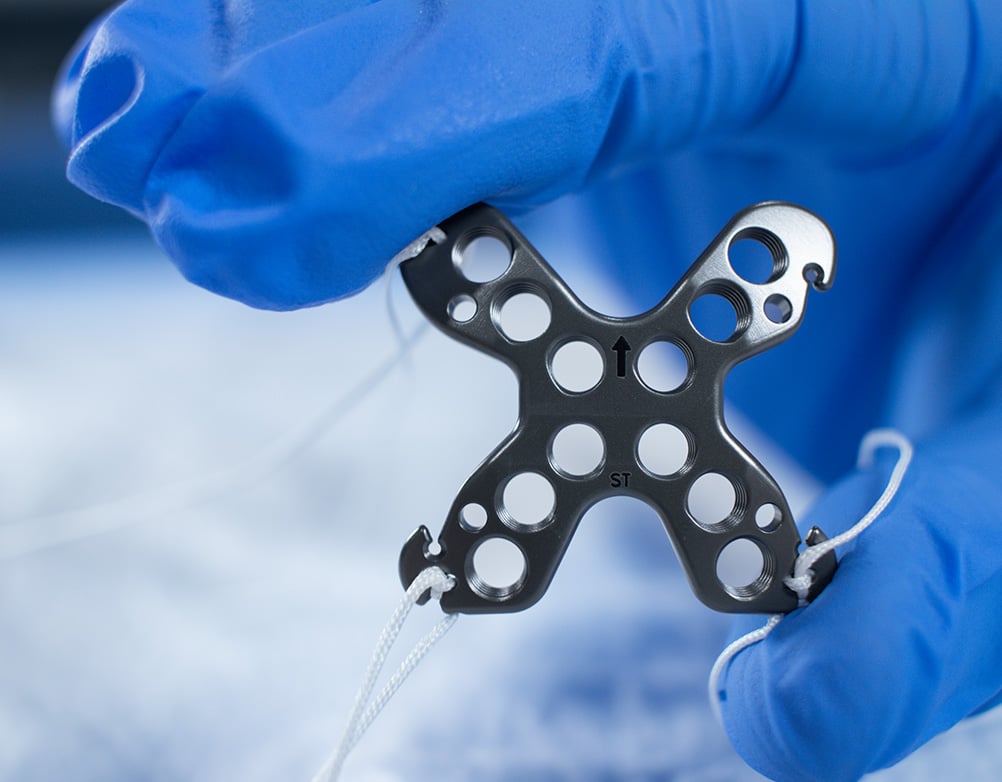
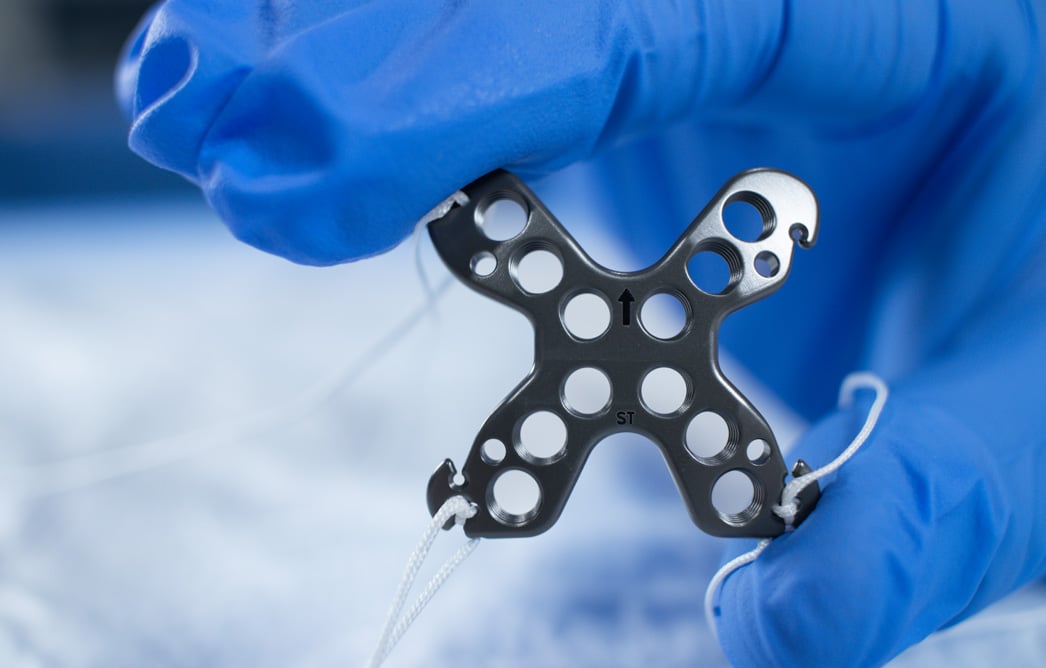
Solving the Problem at its Peak
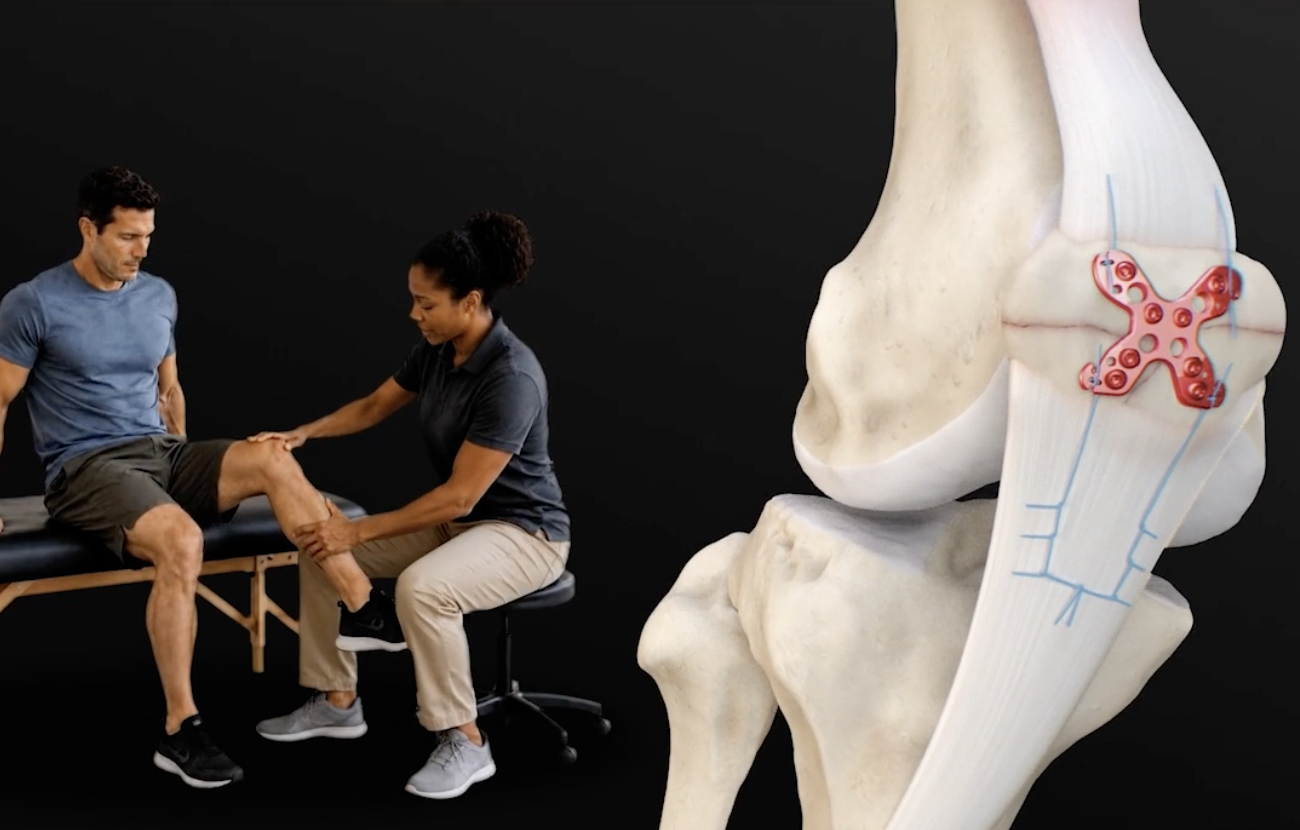
Treating patella fractures through targeted soft-tissue control
Current Challenges Treating Patella Fractures Using Traditional Surgical Methods


up to:
How It Works
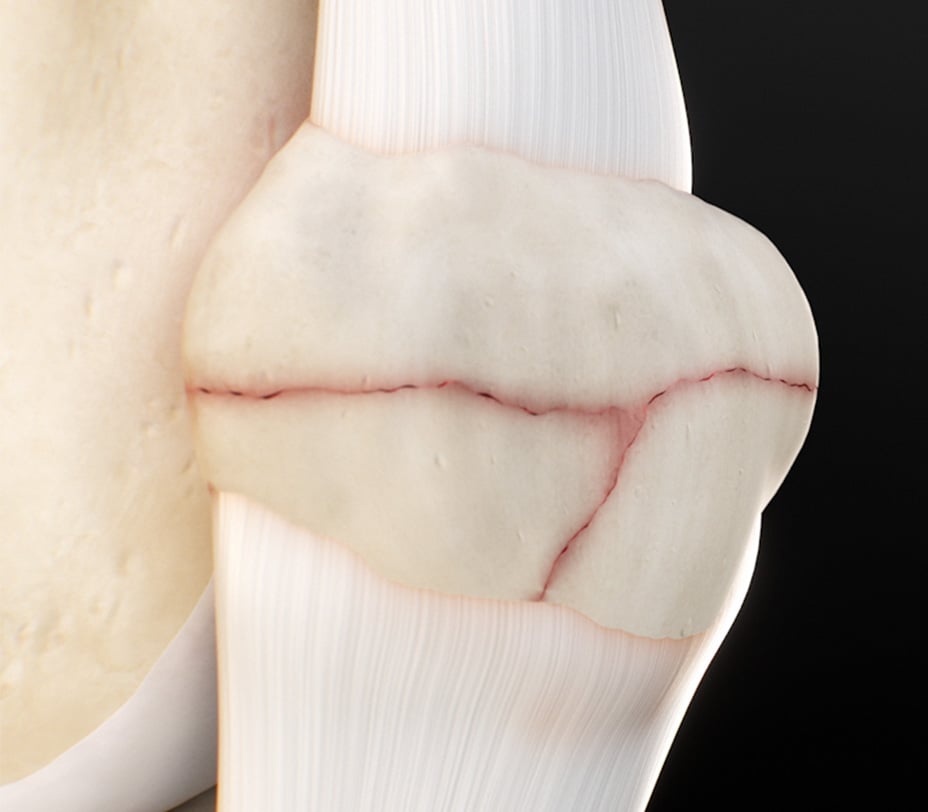
Create Fascia Pocket & Reduce the Fracture
Create a dorsal vertical 12–15 cm mid‑line incision
- This should go down through the quadriceps tendon, patella and patellar ligament
- Identify the superficial fascia and elevate it off the quadriceps tendon
- Evacuate the fracture hematoma from the knee joint and irrigate the joint thoroughly
- Lift the dorsal soft tissue off the patella from the mid‑line toward the medial and lateral retinaculum
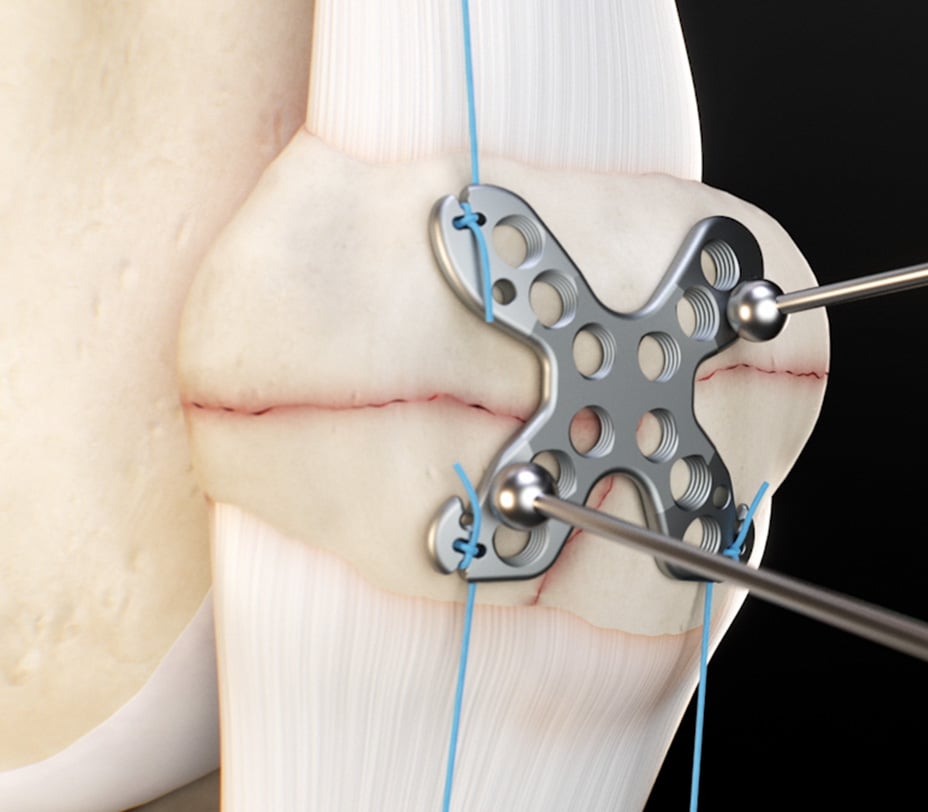
Seat and Secure the Plate
With the fracture reduced and stable:
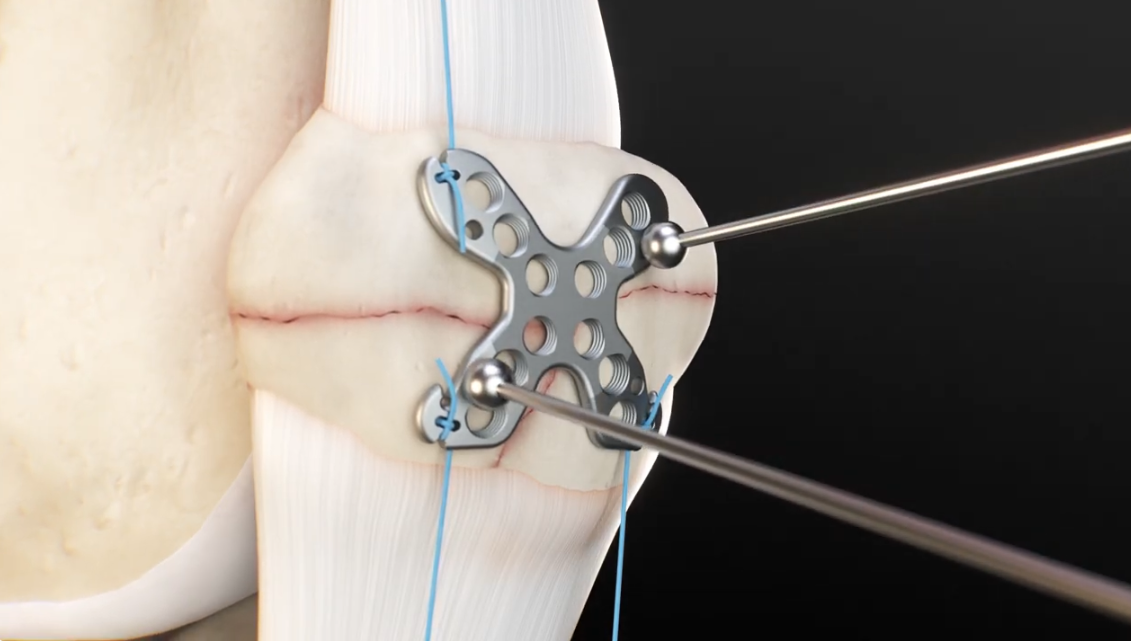
- Seat the plate using the provided olive wires
- Drill through the variable-angle or nominal drill sleeve using the 1.8mm calibrated drill bit
- Affix the variable-angle locking screws (15° angulation within a 30° cone)
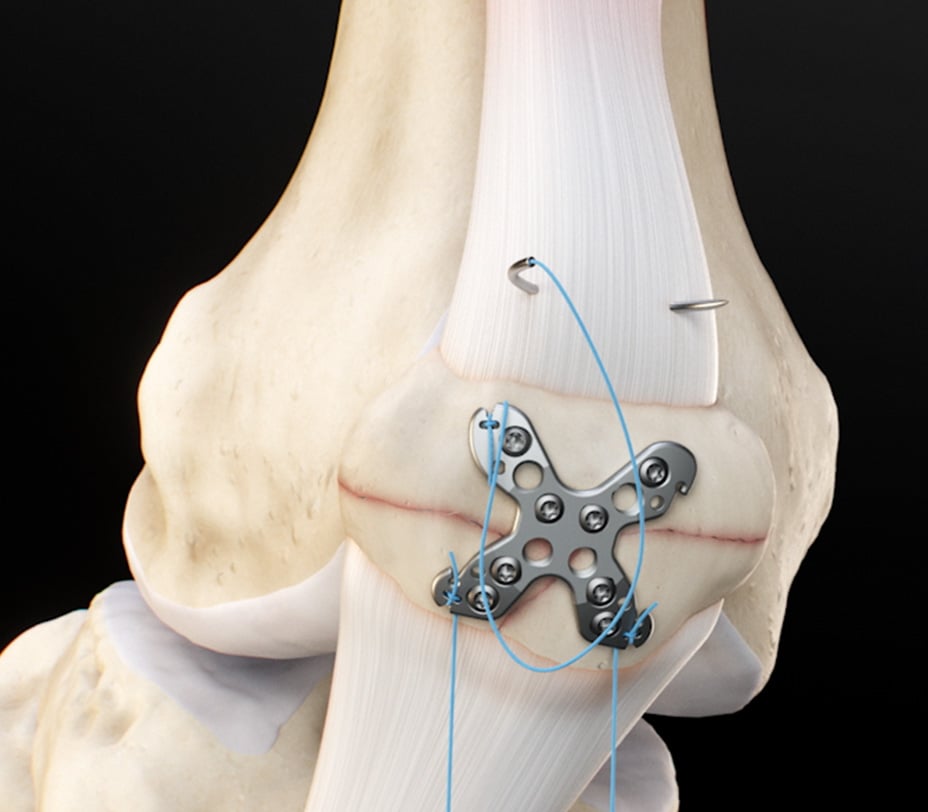
Place the Superior Quad Tendon Suture
Establish proximal soft tissue control with a single pass construct, and then:
- Flex the knee 30°
- Pass the superior suture through the quad tendon as close as possible to the superior pole, leaving a rabbit ear on the zip‑knot side
- Locate the built‑in loop, cut the suture between loop and needle and slide the loop over the cleat
- Use the rabbit ear to pull slack through the suture tunnel toward the zip‑knot side
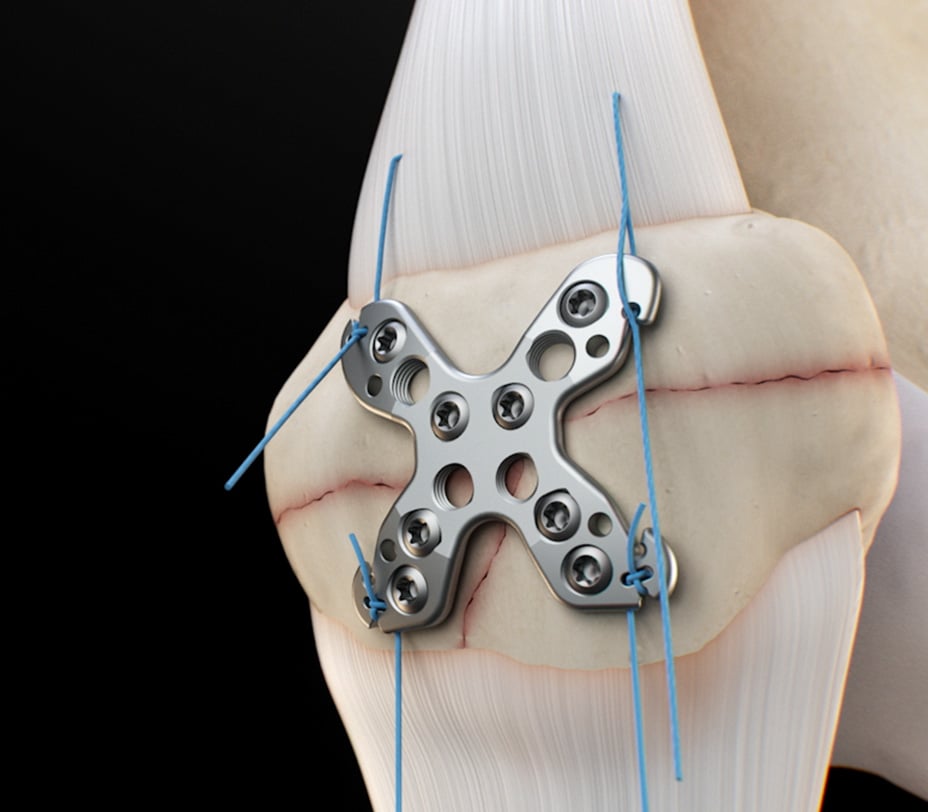
Tension the Superior Zip Knot
Apply controlled tension without overtightening.
- Unlock the zip knot by pulling the suture tail superiorly, away from the plate’s midline
- Tension at a 45° angle until slack is removed and the quad tendon begins to move toward the superior pole
- Cut the suture, leaving a 1cm tail
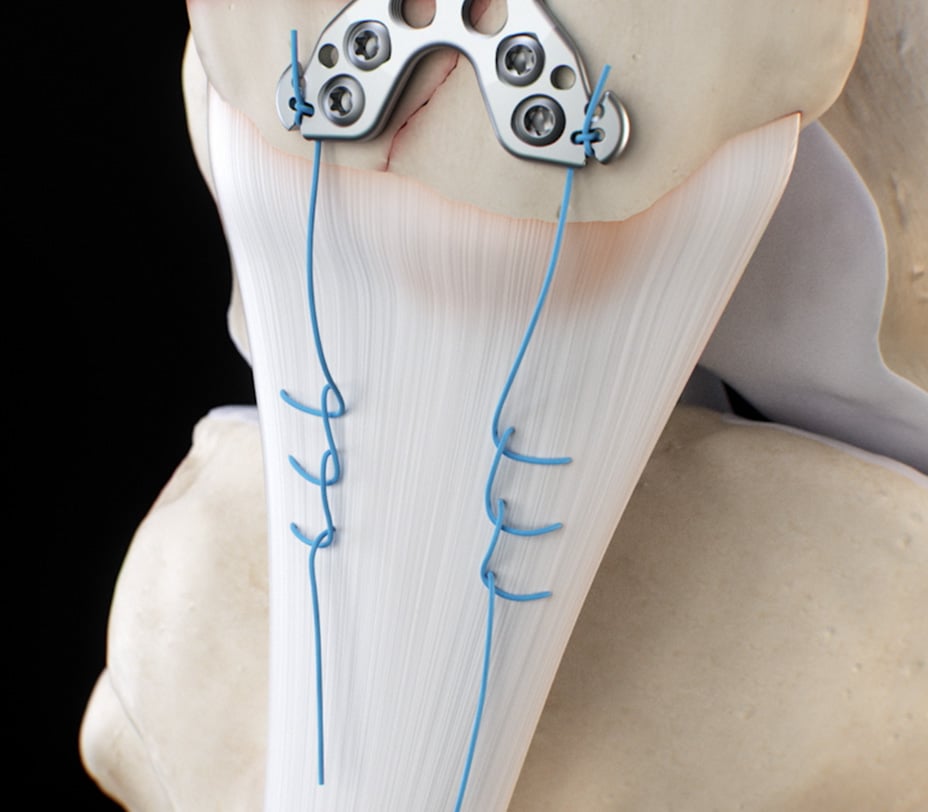
Perform the Inferior Krackow Sutures
Create balanced distal soft-tissue control through the patellar tendon.
- Perform a Krackow suture through the patellar tendon toward the tibial tuberosity, one on each side
- Remove needles, tie the suture and pull excess slack toward the plate
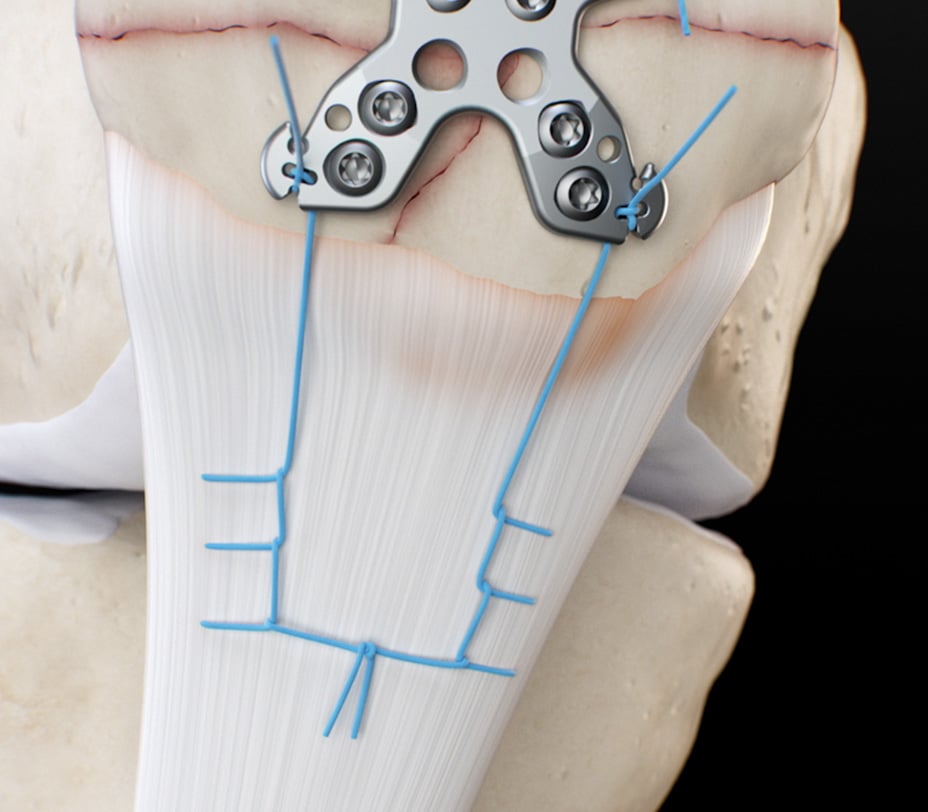
Tension the Inferior Zip Knots
Finalize distal tensioning to neutralize inferior deforming forces.
- Unlock each zip knot by pulling the suture tail away from the midline
- Tension until the patellar tendon begins to move toward the inferior pole, no need to overtighten
- The system is designed to off-load the deforming forces leaving the patella free to heal
Benefits of Endeavor's Technology
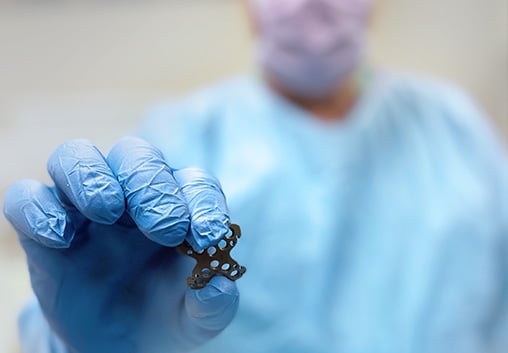
Thinnest Plate on the Market
*Thickness measured at the center of the standard plate.
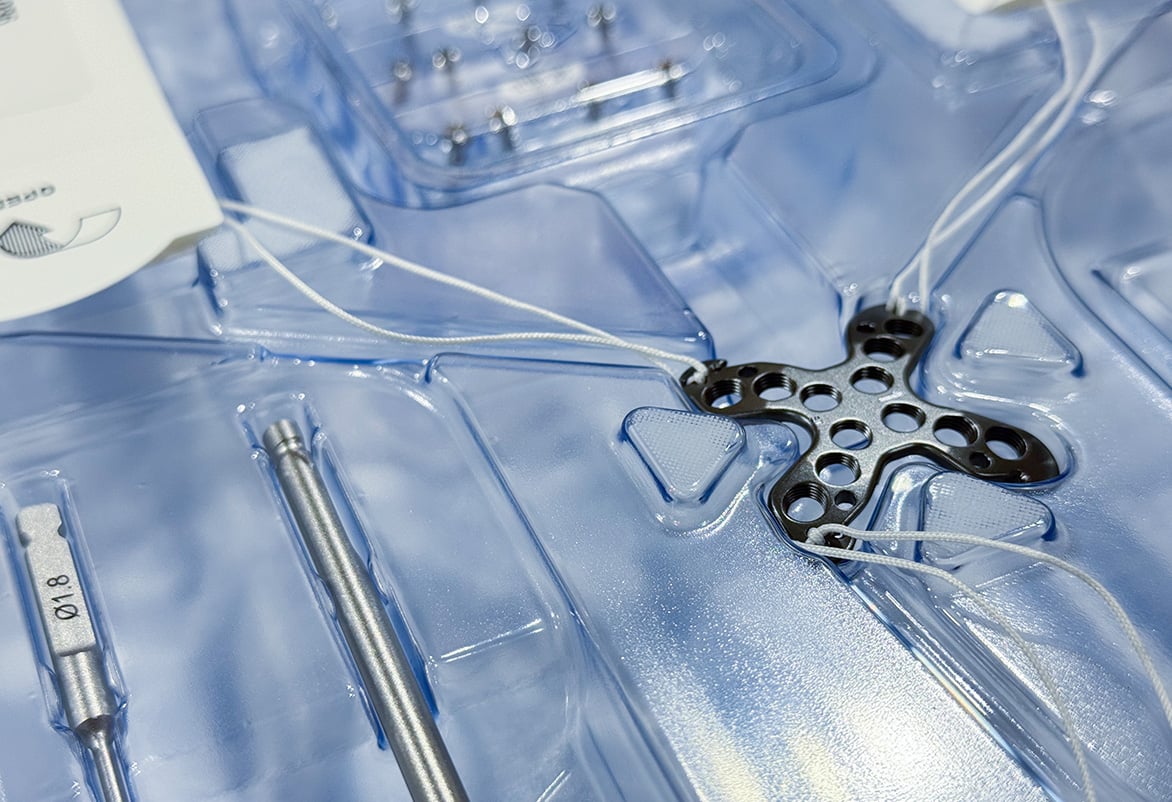
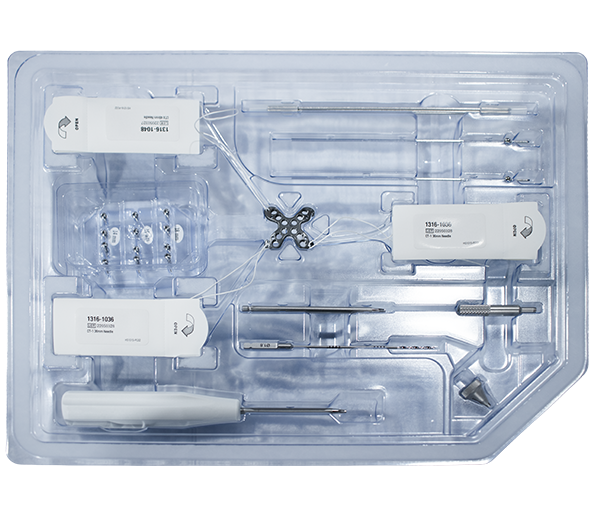
Single-use Sterile Kitting
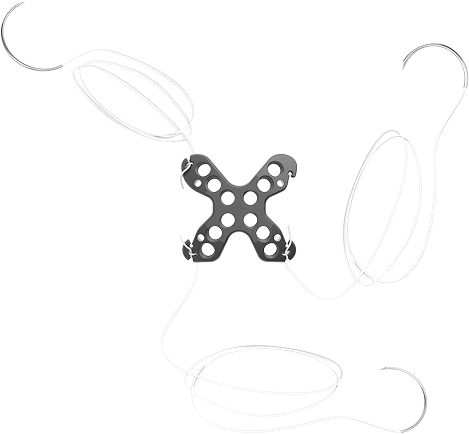
Integrated Sutures for Soft-Tissue Management
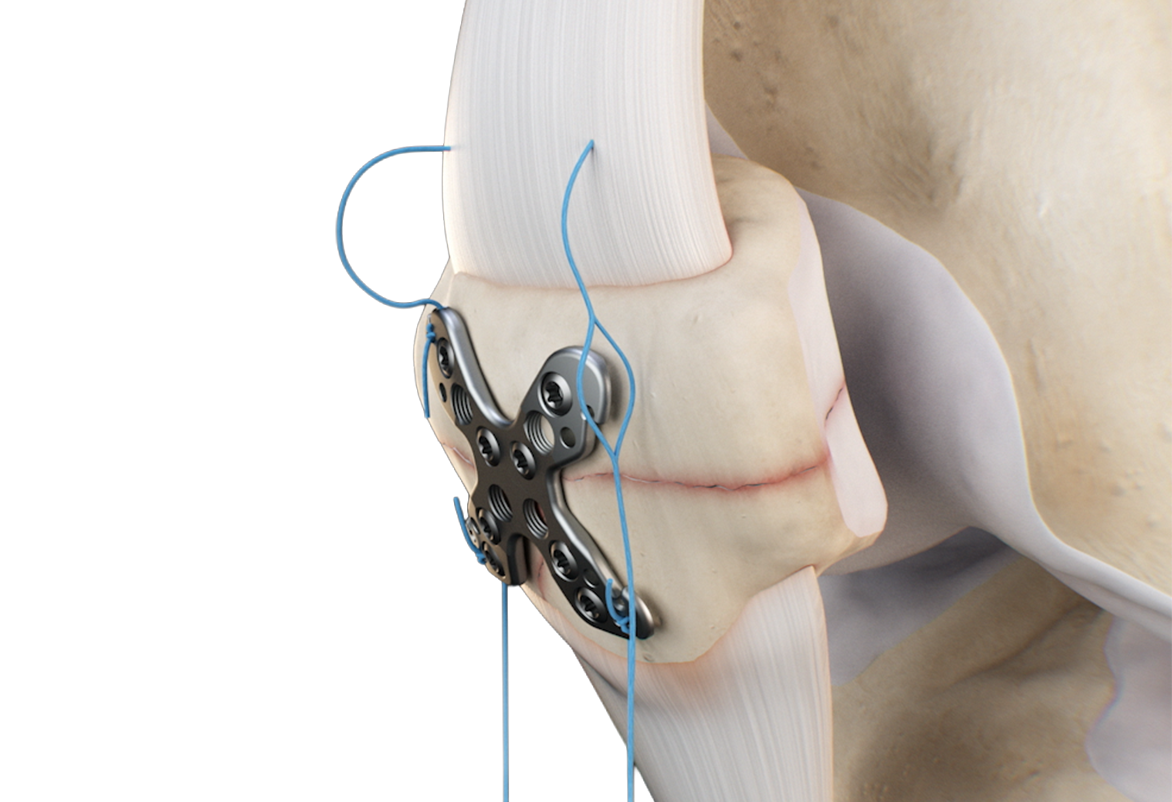
Zip-Knot Technology
Trusted by Surgeons and Institutions Nationwide

“Endeavor allows reproducibility and predictability. I'm able to tension the patella the same way every time, balancing the tissues and getting all that force off of the little pieces so they can heal where they need to heal without being pulled apart by the tendons and muscles.”

"There are many surgical cases where the amount of bone involved isn't optimal to hold a plate alone, so you need the support of the soft tissues. Endeavor is an optimal solution for many of those circumstances."

“With the SummitTM system, I routinely bend the knee to 90 degrees with a stable construct and no gapping. Seeing that in the OR changed how I treat patients immediately post-operatively. I'm ready to let patients start their passive range of motion earlier with the SummitTM plating system than anything else."

“Endeavor’s system offloads all the forces acting on these small little fragments you might not be able to capture in surgery. It's ideal to keep those fragments close by and let them try to heal without having to actually put a screw in each one.”
Interested in Endeavor's Patented Technology?